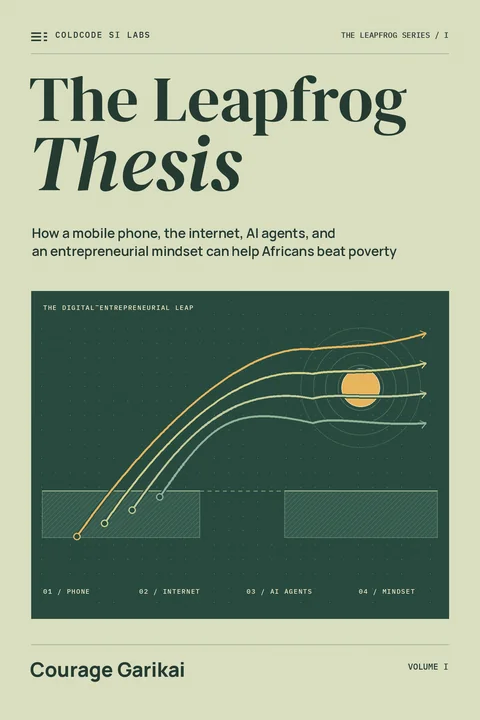
Leapfrog series207 pp.
The Leapfrog Thesis
How a phone, the internet, AI agents and an entrepreneurial mindset can help Africans beat poverty: where the continent stands, and the four pillars that carry the argument.
$9Preview
29 titles
How a phone, the internet, AI agents and an entrepreneurial mindset can help Africans beat poverty: where the continent stands, and the four pillars that carry the argument.
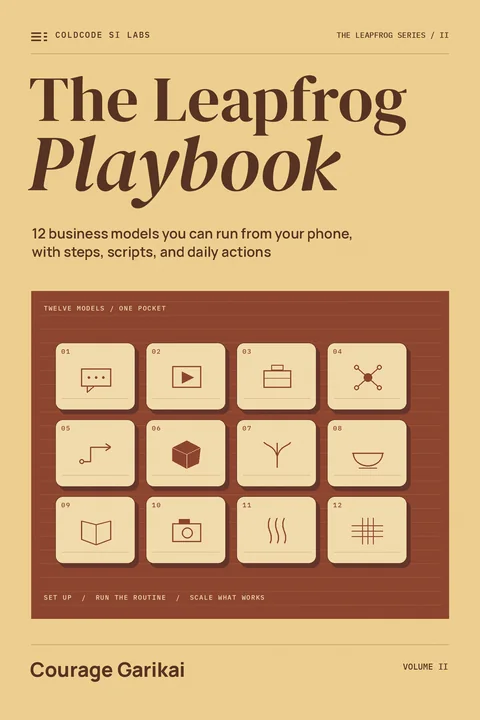
The thesis turned into work: the moves, the order to make them in, and what to do on the days the four pillars look like a slogan rather than a structure.
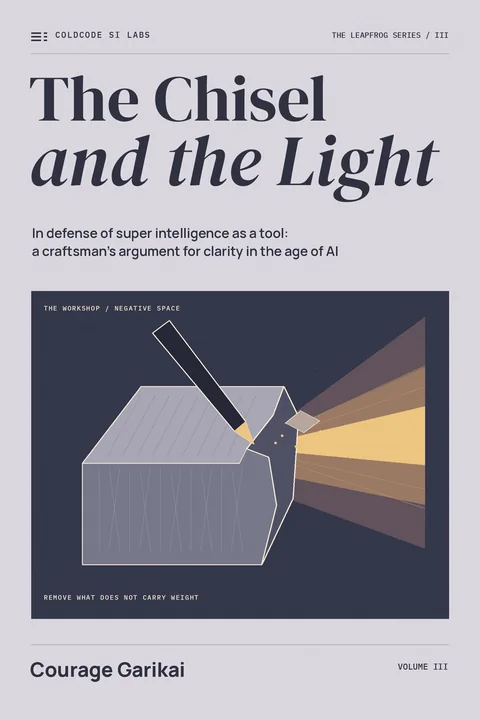
The closing volume: how to cut away what does not carry weight, and how to see what is left once you have — craft, judgement and light in an economy of cheap imitation.

Designing products for the feeling a buyer already has, found in the buyer's own words rather than in a workshop's adjectives.

The library voice guide: the five petals, the nine rules, the surfaces, and the instruments for keeping a page true when three people and a system are all writing.
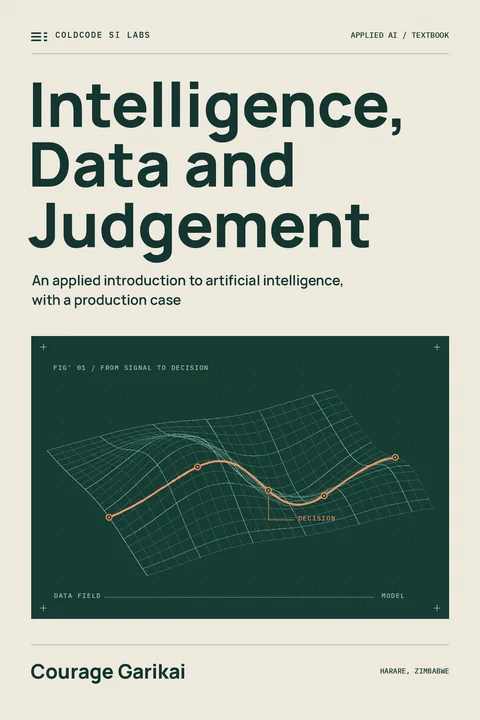
An applied introduction to artificial intelligence, with a production case. Twenty-two chapters written to be taught from.
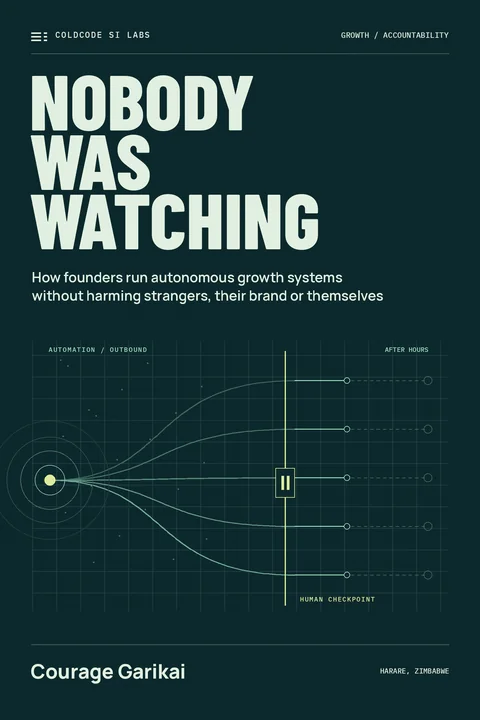
How founders run autonomous growth systems without harming strangers, their brand or themselves — with one candid case and the frameworks to audit it.
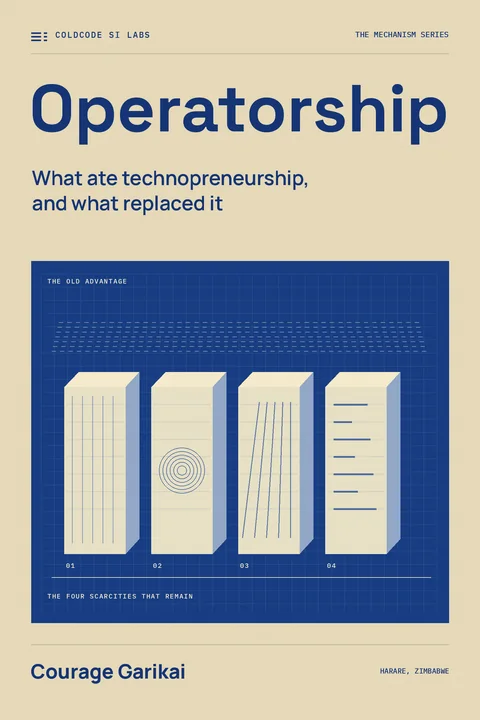
What ate technopreneurship, and what replaced it: an autopsy of a word, and the four scarcities that remain. Six figures.

Get 100K+ monthly visitors from Pinterest using only a phone: the niche, the routine, and the two failures that close accounts.
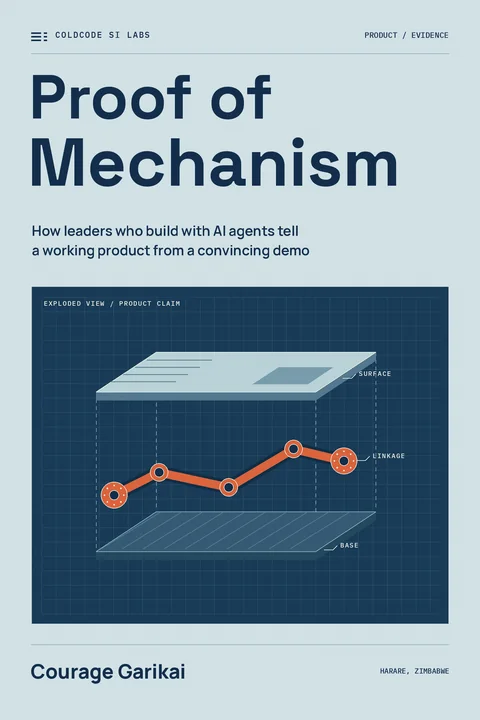
Telling a working product from a convincing demo: what to demand from the machinery behind every finished-looking surface.
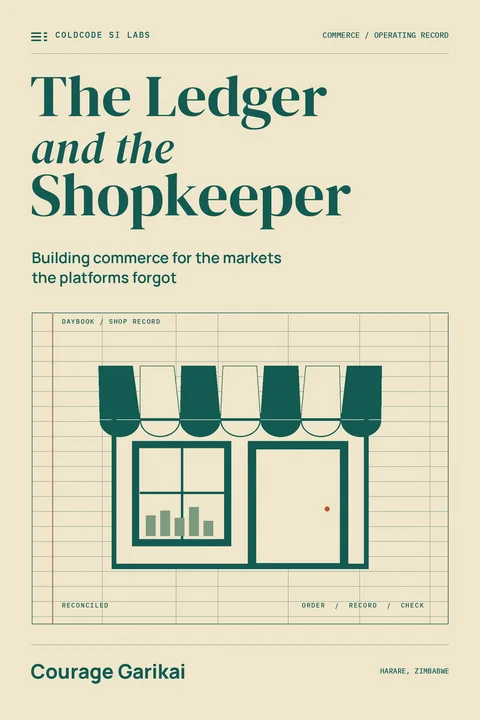
Building commerce for the markets the platforms forgot, written from the release log rather than the pitch deck.
How to review a product that runs without you: twenty chapters, twelve rules and ten mutation tests — each a way of proving a mechanism still works after somebody changes it.
How one billionaire exposed the cracks in China's innovation dream: the predictions, the clips, and what actually flew.
An operating manual for the person running the estate — because the point of failure is usually the person, not the software. Six figures.
How China mocked Elon Musk, and why they are now panicking. The argument condensed from The Musk Mirror.
Owning the rail you sell on: architecture, cadence, the mailbox ramp, incident detection and a taxonomy of failures.
Designing constraint-native digital businesses: the rail, the quota, the sending limit and the trust as design material rather than obstacles.
The African digital wealth formula: traffic, advertising, and the audience a phone already reaches.
Sell anything, from anywhere, to everyone: six layers of zero-cost commerce built from free tools and a wallet nobody can freeze.
The Unraveling of Your YouTube Income — what January 2026 did to creator RPM, and the rebuild playbook.

When two machines talked their way to silence — and what it tells us about intelligence, mysticism, and being.
We have resources, don't we? An evidence-based analysis for a global reader.
Designing from the constraint outward — the rail, the bandwidth, the trust, the time — instead of from an imagined scale downward.
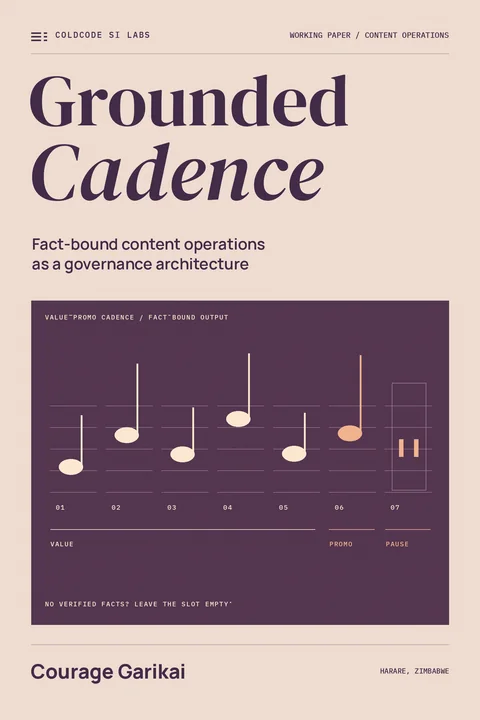
The tempo of automated operations: what a business can sustain, where a pause belongs, and why output rate is a design decision.
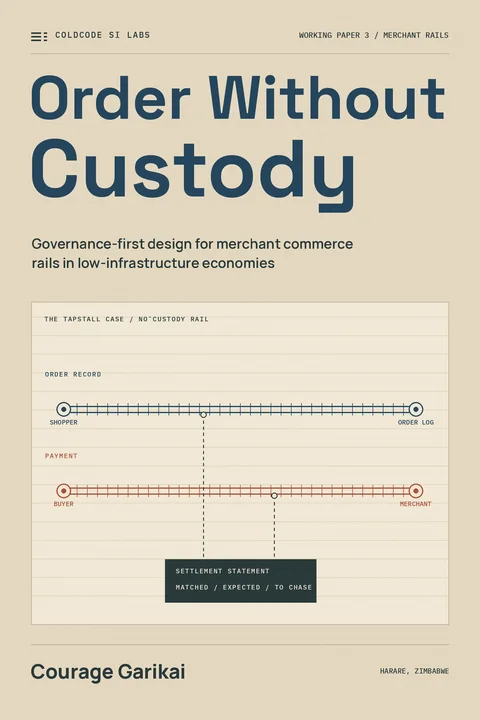
A merchant rail that never holds the money, and the reconciliation arithmetic that makes it auditable.
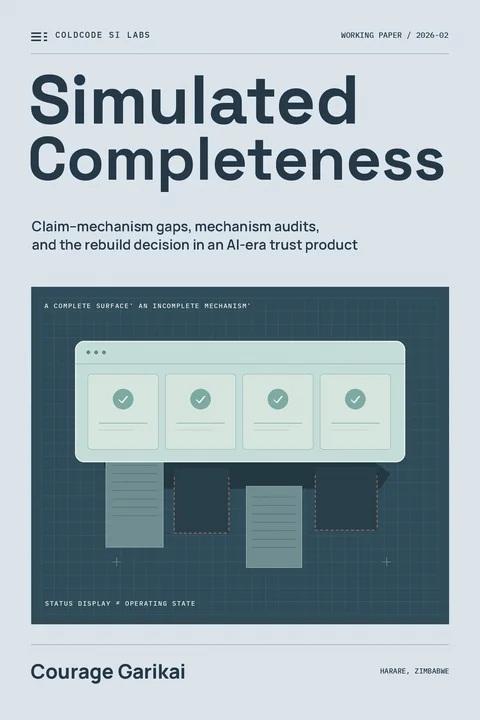
When the dashboard is whole and the machine is not: how systems report more completeness than they hold, and how to see it from the outside.
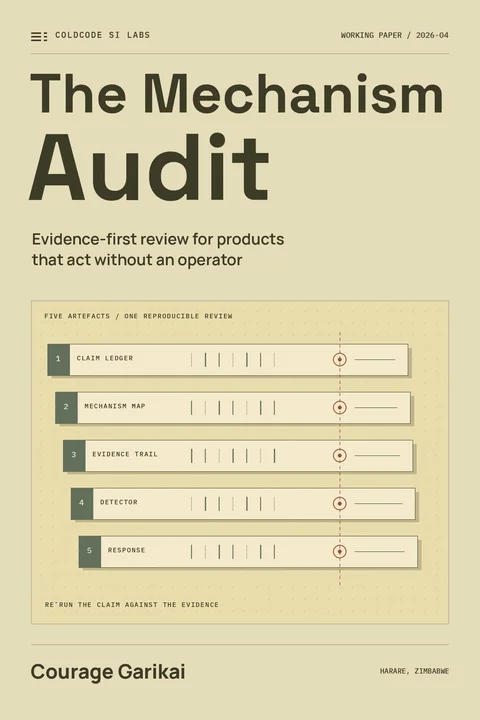
Evidence-first review for products that act without an operator: the five artefacts an audit asks for, and six failure signatures with an incident for each.
What a system does when nobody is watching: discretion outside working hours, the records that make it legible, and where a pause belongs.
Try a different search or look across all titles.